Continental Tires, Explained: Kryptotal, Xynotal, Argotal and the Rest
Continental threw out its old mountain range in 2022 and replaced it with a grid: five treads, three casings, five compounds. Here is what each axis does, which combination to actually buy, and what the 13 new options added this month unlock.
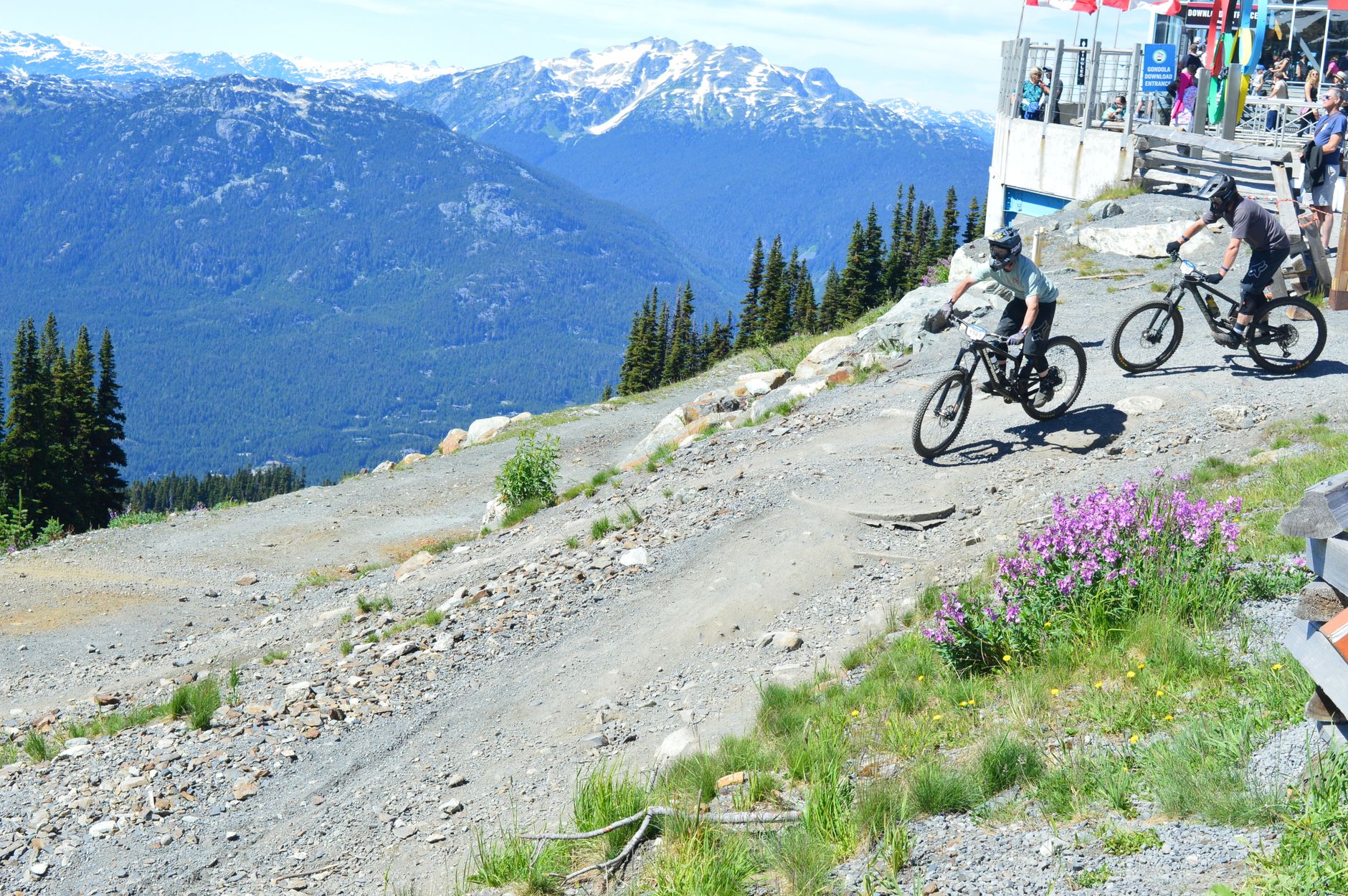
the grid
Every Continental gravity tire is one pick from each of three lists, and the product name reads in that order. A Kryptotal Fr Enduro SuperSoft is the Kryptotal front tread, on the Enduro casing, in the SuperSoft compound.
The gravity treads all end in -tal, and the front half of the name points at the terrain. Hydrotal is the mud one. Kryptotal is the do-everything one. Once you have the pattern the catalogue stops looking like German homework.
the treads
| Tread | Built for |
|---|---|
| Kryptotal Fr | The front all-rounder. Mixed dirt, steering precision, predictable when it lets go |
| Kryptotal Re | The rear partner. Paired centre blocks for braking and drive, ~3 watts faster than the Fr |
| Xynotal | Hardpack and rock. Ramped knobs, the fastest rolling of the gravity treads |
| Argotal | Loose and soft. Open, self-cleaning mid-spike for wet and churned dirt |
| Hydrotal | Mud. Downhill casing and SuperSoft only, because nobody runs a mud spike casually |
Continental is the only one of the big three that ships a properly front-and-rear-specific pair as its default. Maxxis does it by giving you different treads entirely, a DHF and a DHR II. Schwalbe has gone the other way and argues its treads work at both ends. Continental designed one tread in two versions, which is the tidiest answer to the same problem.
the casings
| Casing | What it is | Who it's for |
|---|---|---|
| Trail | Single ply, 60 TPI cross-woven layer | Down-country and trail riding |
| Enduro | Single ply, 110 TPI, with an Apex sidewall insert | Enduro, aggressive trail, e-bikes |
| Downhill | Dual ply. Six layers under the tread, four in the sidewall | Bike park and downhill racing |
Apex is the reinforcing strip in the sidewall of the Enduro casing, doing the job Maxxis hands to a butyl insert. It is why the Enduro casing tests as stiff and supportive despite being a single layer of fabric rather than two, and it is why that casing is the one most aggressive riders should be looking at.
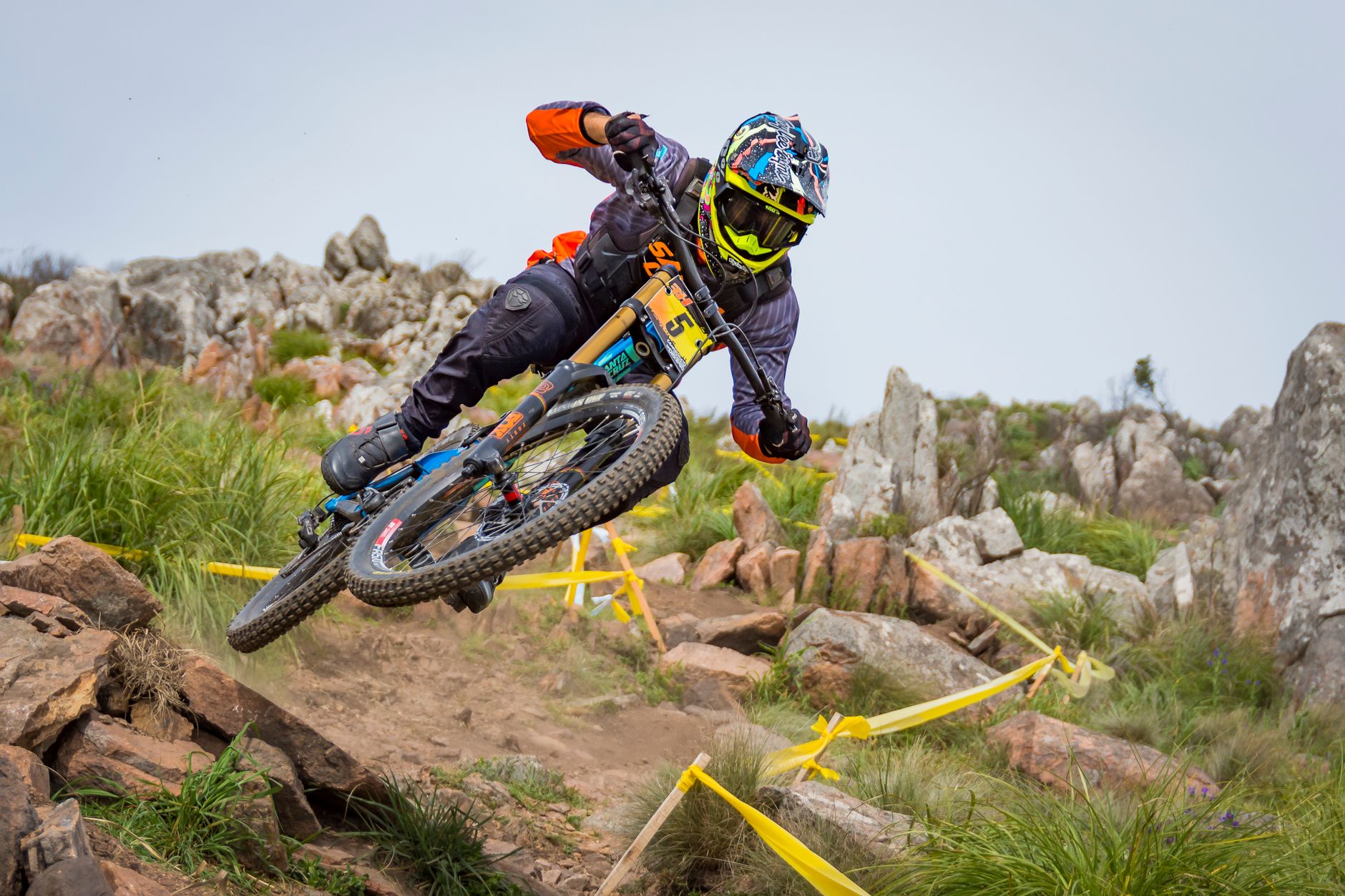
the compounds
| Compound | Who it's for |
|---|---|
| SuperSoft | The stickiest they make. Downhill and hard enduro, and the front tire of choice |
| Soft | Descending-focused trail and enduro. High grip, sane rolling resistance |
| Grip | Cross-country, down-country and trail. The balanced one |
| Rapid | Speed and acceleration, borrowed from their road and gravel thinking |
| Endurance | Lowest rolling resistance and the longest life of the five |
what to actually buy
Our pick for most people riding aggressive trail or enduro: a Kryptotal Fr in Enduro casing, SuperSoft compound up front, with a Kryptotal Re in Enduro casing and Soft out back. Maximum grip where losing traction puts you on the ground, something harder wearing where the drag and the wear live.
SuperSoft used to be tied to the heavy Downhill casing, so getting the sticky rubber meant accepting the weight. Continental has been unpicking that since last year, and the 13 new options added on 6 August widen it further, mostly Trail Soft and Enduro SuperSoft combinations in 2.4in across 27.5 and 29. If you looked at Continental a couple of seasons ago and could not get the casing and compound you wanted together, look again.
From there it is terrain. Swap the front to an Argotal when it turns wet and loose, or a Xynotal when your trails are dry and rocky and you want the speed. The Hydrotal is for actual mud season and nothing else. Or skip the grid and use the recommended combinations in the Builder, which are already matched front to rear.
continental vs maxxis vs schwalbe
The three brands have clearly different arguments. Continental's is engineering discipline: one coherent system, designed in Korbach with three years of testing behind it, much of it with Atherton Racing at Dyfi in Wales. It shows up as a range where nothing is vestigial and every option exists for a stated reason.
Schwalbe has the technology lead, because radial casings are a real advance and nobody else sells them at scale. Maxxis has the availability and the price, and a bench of proven treads deep enough that most bikes still ship on them. Continental sits between: better organised than Maxxis, less adventurous than Schwalbe, and genuinely fast on a World Cup track.
The honest catch is the same one Schwalbe has. Continental is not cheap and it is not everywhere, and US stock is thinner than the range suggests. If your local shop has it on the wall, it is an easy recommendation.
common continental questions
- What is Continental BlackChili compound?
- BlackChili is not a compound you choose between. It is the base rubber technology that goes into all five of Continental bicycle compounds, so every Endurance, Rapid, Grip, Soft and SuperSoft tire is a BlackChili tire. If you are trying to pick, ignore the BlackChili badge and look at the compound name next to it.
- What is the difference between Kryptotal Fr and Kryptotal Re?
- They are front and rear versions of the same all-rounder tread. The Kryptotal Fr has taller, more open knobs for cornering grip and steering precision. The Kryptotal Re uses broader, paired centre blocks for braking and drive traction, and rolls roughly 3 watts faster than the front. Running Fr up front and Re out back is the default Continental gravity setup.
- Which Continental casing should I get: Trail, Enduro or Downhill?
- Trail is a single-ply 60 TPI casing for trail and down-country riding. Enduro is a single-ply 110 TPI casing with an Apex sidewall insert, and it is the sweet spot for most aggressive riders because it is stiff and supportive without much weight. Downhill is dual-ply, with six layers under the tread and four in the sidewall, and it is worth it for bike park laps and downhill racing.
- Which Continental compound is grippiest?
- SuperSoft, which is the stickiest rubber Continental makes and is aimed at downhill and hard enduro use. Soft sits below it for descending-focused trail and enduro riding, Grip is the cross-country and down-country option, Rapid is built for speed, and Endurance lasts the longest. A common pairing is SuperSoft on the front and Soft on the rear.
- Are Continental mountain bike tires good?
- Yes, and they have taken a lot of World Cup podiums since the gravity range launched in 2022. The range was developed over roughly three years with Atherton Racing, much of it tested at Dyfi Bike Park in Wales. The main practical catch is availability and price rather than performance.
Tread for terrain, casing for how hard you hit things, compound for how much grip you are willing to pay for in rolling speed. Continental is the brand that makes those three choices independent and then labels them plainly, which is why it is the easiest of the big three to shop once you have seen the grid.
The whole grid, already narrowed.
The Builder's Recommended Setups fill your front and rear tire slots with a matched pairing for the conditions you name, in the right wheel size for your frame. One of them is Continental.
 filed under · build roadmap
Is There a PCPartPicker for Mountain Bikes? (Yes, and Here’s How It Works)
 filed under · suspension setup
How to Set Sag on a Mountain Bike (Front + Rear, by Discipline)
 filed under · compatibility
How to Build a Mountain Bike From Parts (And the Compatibility Traps)
 filed under · build roadmap
What Order to Choose Parts for a Custom MTB Build (Frame First, and Why)