What Order to Choose Parts for a Custom MTB Build (Frame First, and Why)
Building a custom bike is really a chain of decisions, and the order you make them in saves you money. Here's the part-picking roadmap, from frame to the bits that barely care, and how each choice quietly decides the next.
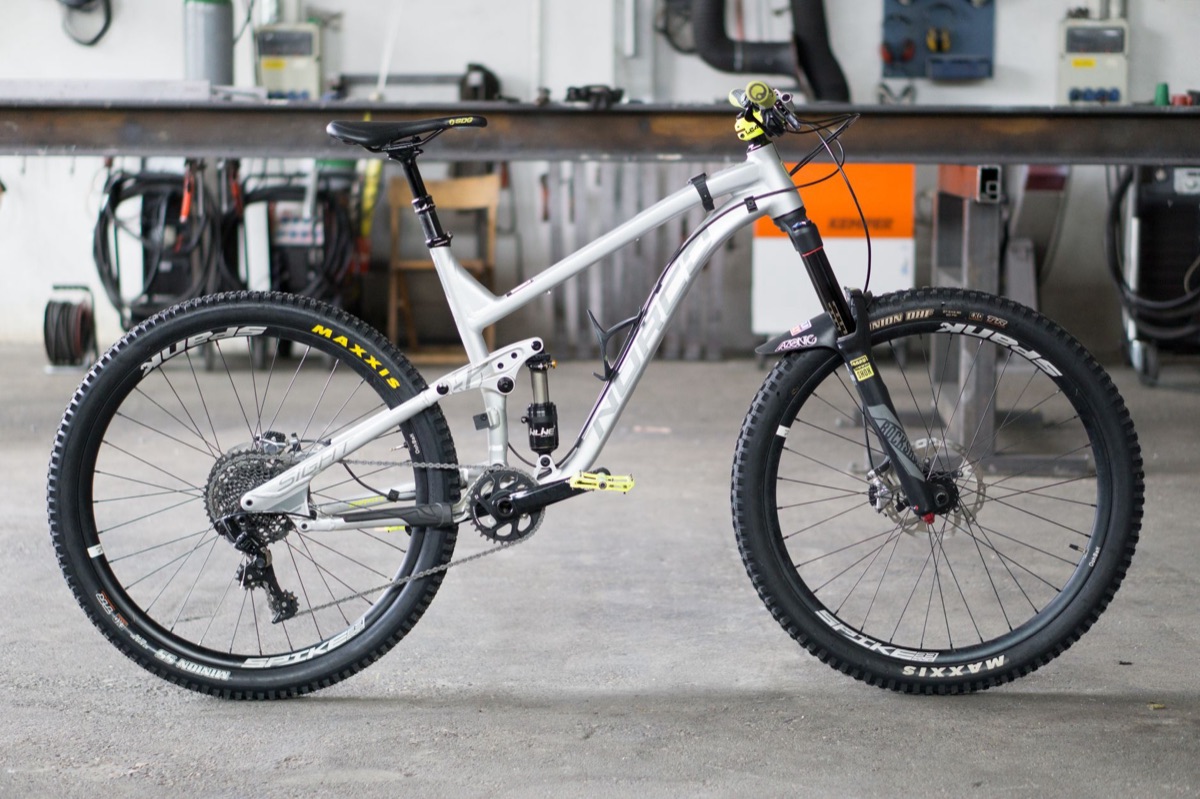
So you've decided to build a bike from a bare frame instead of buying one complete. Good call, if you want it exactly your way. But the first question everyone hits isn't how to wrench. It's what to buy first. You start with a frame, sure. Then a fork. Then… what?
This is part one of a roadmap that walks the whole thing in order. It's the map, not the deep dive: where each part sits in the chain, and why the order matters more than people think. Later parts go deep on picking the frame itself, then the fork, and on down. For now, the goal is to get the sequence in your head so you don't buy backwards.
why the order you pick parts in actually matters
Here's the thing nobody tells you up front: on a custom build, every part you lock in quietly shrinks the menu for the next one. Pick a frame and you've already decided what wheels, what fork, and what cranks can go on it, before you've even looked at them. I think of it as a compatibility cascade: each decision flows downhill into the next, and the parts at the top of the chain control the most.
step zero: be sure which bike you're building
You already ride, so you know the feeling you're chasing. The decision before any part is naming the discipline honestly: DH, freeride, enduro, trail, or XC. And the trap is picking it by the label you like the sound of instead of the riding you actually do. Plenty of people set out to build a full DH rig when a freeride bike is what they'd ride all season, or call it a trail build when their local trails really want an enduro bike.
This matters more on a custom build than on a complete bike off the floor. It's a big investment and you're committing to it part by part, so you want a rig you'll still love in two years, not one you regret three rides in. Get honest about where and how you ride, and let that pick the discipline. The discipline sets your travel (how much the suspension moves, in mm) and your geometry (the frame's angles and lengths, which decide whether it climbs eagerly or charges descents), and those filter the frame list before you spend a dollar.
the frame goes first, because it writes the rules
The frame is the rulebook every other part has to follow. Picking it locks in a stack of standards that decide what fits below, so it does a lot more than set the shape and the color. The ones that drive the rest of the build:
- ›Wheel size (29in, 27.5in, or a frame that takes either). This decides your wheels and your fork.
- ›Rear hub spacing (boost 148, the old 142, or Super Boost 157). Your rear wheel's hub has to match this exactly.
- ›Bottom bracket shell (the socket your cranks spin in). This decides which bottom bracket you buy.
- ›Headtube standard (the tube the fork steers through). This decides your headset, and with it which forks bolt in.
- ›Seatpost diameter (the exact width of post the seat tube accepts). This decides your dropper post.
- ›Rear shock size, if it's full suspension. The frame is built around one shock length and stroke.
You don't have to memorize what these mean yet. You just have to write them down off the frame's spec sheet, because every part below is chosen against this list. The companion guide on the compatibility traps breaks down each of these numbers in detail if you want the why behind them.
the fork is second, and the frame already chose most of it
Forks feel like the fun pick, so people start here. Don't. By the time you've got a frame, the frame has already made most of the fork decision for you. Four specs have to line up, and three of them are just copied off the frame:
- ›Wheel size. A 29in frame takes a 29in fork. The fork is built around a wheel size, so this is set the moment you pick the frame.
- ›Steerer and headtube. The steerer is the tube that runs up through the frame and clamps into your stem. It has to match your frame's headtube, which almost always means a tapered steerer on a modern bike.
- ›Front axle. Match the fork to the front hub spacing, usually 110x15 boost. This also has to agree with the front wheel you buy next.
- ›Travel. Frames are designed around a travel range. Stay within about 10–20mm of what the frame calls for, or you change the bike's angles in ways it wasn't built for.
Once those four are pinned, the only things left are the fun ones: which brand, which damper, how stiff. Those change how the fork rides, not whether it fits. So the fork is a small, free choice inside a box the frame already drew.
the shock is next, and the frame already sized it
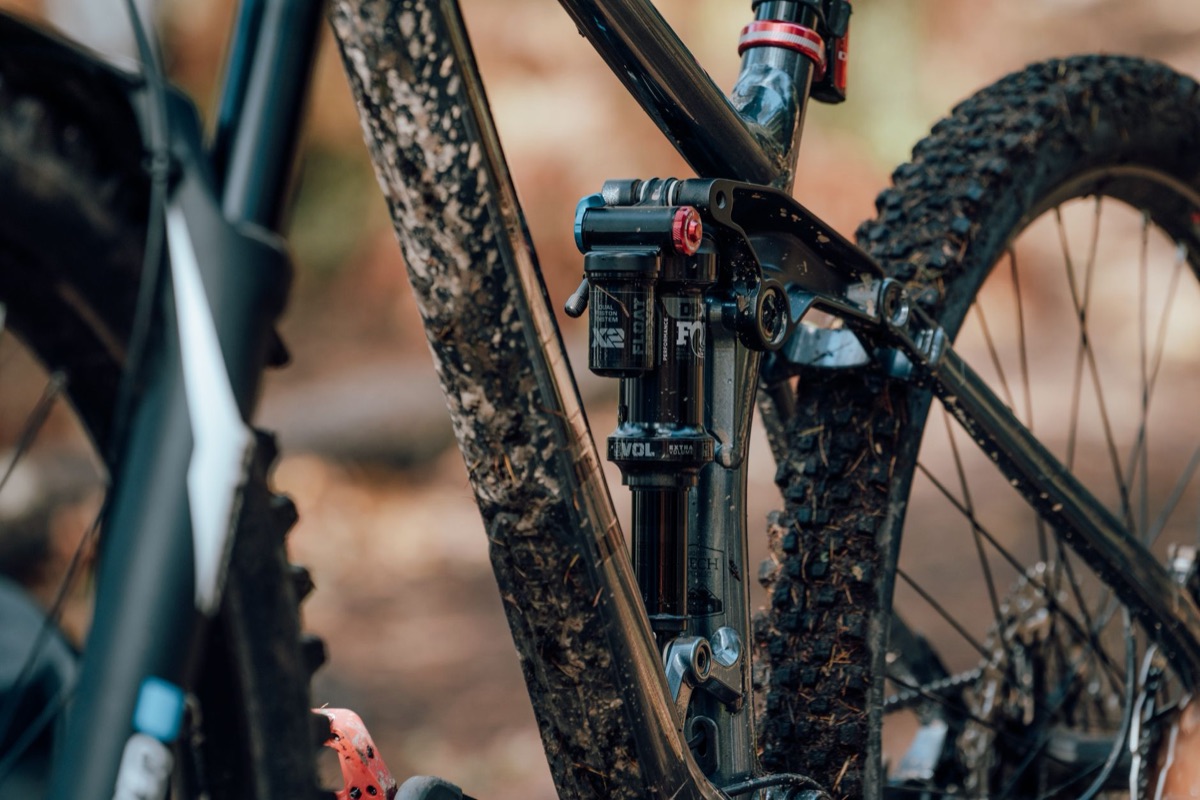
If it's a full-suspension frame, the rear shock comes after the fork, and the story is the same: the frame already picked the size for you. Every frame is built around one shock size, written as two numbers like 210x55. The first is the length (the eye-to-eye distance between the two mounting bolts) and the second is the stroke (how far the shaft slides as it compresses). You match those exactly, you don't shop them freely. Plenty of frames even come with a shock already fitted. When yours doesn't, the real choice is the feel, air or coil and the tune, because the size is set.
the drivetrain is one system, so pick the family next
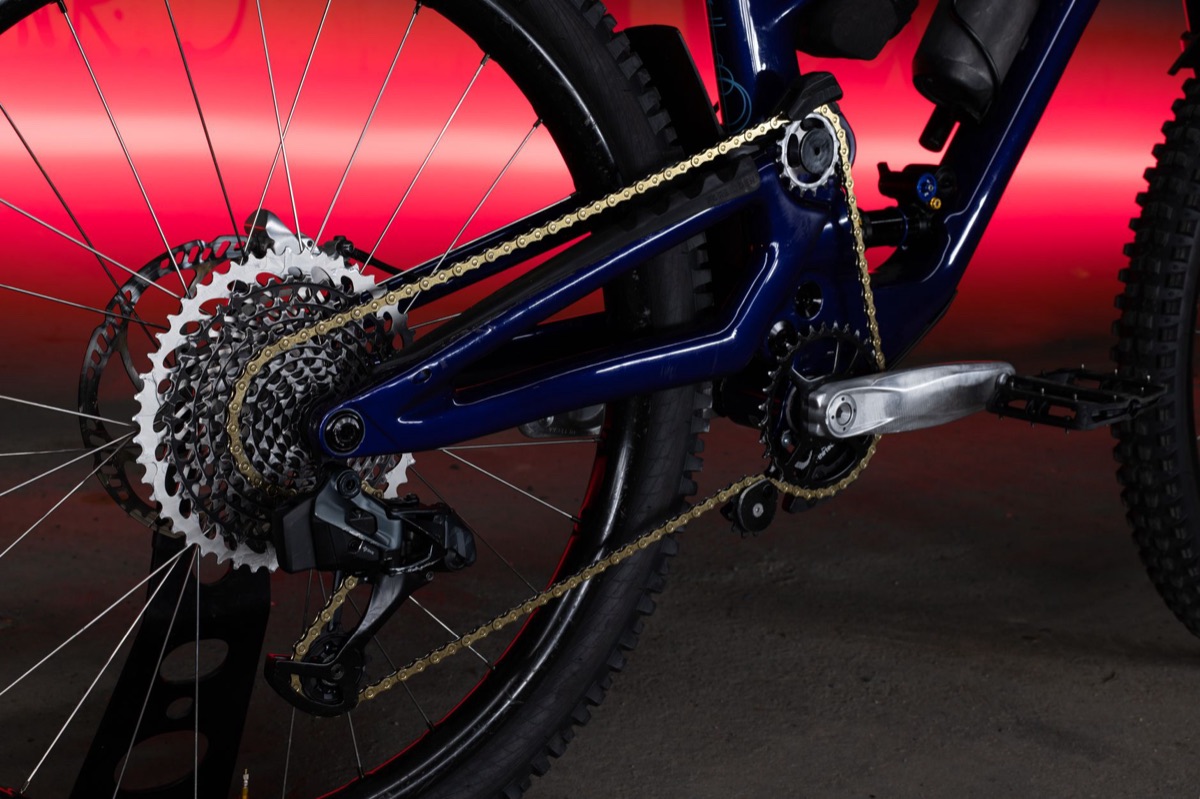
The shifter, rear derailleur, cassette, and chain are tuned to work as a matched set, in one brand and one speed count, so you choose a drivetrain as a whole family rather than mixing parts freely. That makes it a single decision: which brand, how many gears. SRAM 12-speed, Shimano 12-speed, and so on. Lock that and three things downstream fall into place:
- ›The freehub driver the rear wheel you pick next has to carry (XD for SRAM Eagle, Microspline for Shimano 12-speed).
- ›The bottom bracket. Your cranks have a spindle (the axle through the middle). You buy a bottom bracket that bridges that spindle to your frame's shell. Frame shell plus crank spindle equals the exact BB.
- ›The hanger or mount the derailleur attaches to. Some modern setups bolt straight to a UDH-equipped frame, which is one more thing to check off the frame's spec sheet from step one.
wheels come after, matched to three things at once
Now the wheels, and they have to agree with three choices you've already made. The hub (the center of the wheel the spokes lace into) has to match your frame's spacing at the back and your fork's spacing up front. That part is just the spacing from earlier.
The third match is the one people miss. The rear hub carries a freehub driver, the splined part your cassette (the stack of gears) slides onto, and it has to suit the drivetrain you just picked. A SRAM Eagle 12-speed cassette needs an XD driver. A Shimano 12-speed needs a Microspline driver. They are not interchangeable. So you buy the rear wheel with the right driver for the gears you settled a moment ago, and nothing has to come back off.
brakes, tires, and the parts that barely care
Good news: past the wheels and drivetrain, the cascade loosens up fast. Most of what's left only cares about one thing, or nothing at all.
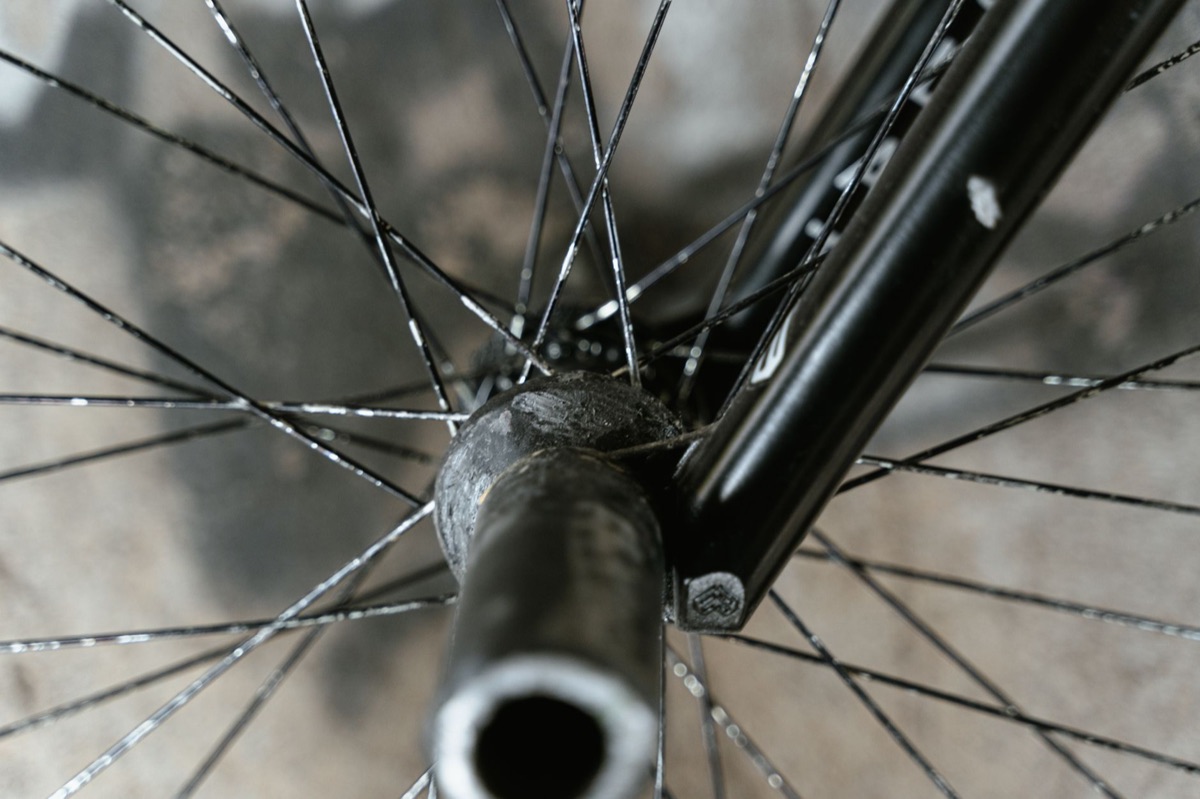
- ›Brakes are mostly free. You can run SRAM brakes with a Shimano drivetrain or the reverse, no problem. The only fitment notes are rotor size (capped by what your frame and fork mounts allow) and the rotor's attachment to the hub.
- ›Tires match the wheel size you already chose, and want to suit your rim's internal width. Then just confirm the width clears your frame and fork.
- ›Saddle and pedals care about nothing. Pick whatever you like.
cockpit and dropper come last
The front-end parts wrap up the build, and they're simple, just a couple of diameters that have to agree:
- ›Bar and stem. The stem clamps the bar in the middle, and the clamp diameters have to match (31.8mm or 35mm). The other end of the stem clamps the fork's steerer, which you already settled.
- ›Headset. The bearings the fork rotates in. It matches the frame's headtube standard, so it's really a frame decision you're just now buying for.
- ›Dropper post. Match the seatpost diameter from the frame, check whether the frame routes the cable internally, and confirm how much post fits in your seat tube, which caps how much drop you can run.
the whole order, in one list
Here's the part order start to finish. It's the same sequence the Builder walks you through once you've set your discipline, and each choice hands the next one a shorter list to pick from:
- 1Frame. Locks the standards everything below follows.
- 2Fork. Three of its four specs come straight off the frame.
- 3Shock. If it's full suspension. The frame already sized it.
- 4Drivetrain. One brand, one speed count. Sets the freehub driver and BB.
- 5Wheels, front and rear. Hubs match the frame and fork, driver matches the drivetrain.
- 6Brakes and rotors. Mostly free, rotor size capped by the mounts.
- 7Cockpit. Bar, stem, headset, seatpost, saddle, grips.
- 8Pedals. Pick whatever you like.
- 9Tires, front and rear. Match the wheel size and your rim width.
You don't have to hold this whole cascade in your head, which is the whole reason the Builder walks it for you. Next up in the series, we slow down and pick the frame itself: how to read a geometry chart, what travel actually suits your trails, and the spec lines worth holding out for. Once the frame's right, the rest of the cascade gets a lot easier.
let the builder run the cascade
Start with a frame and add parts in order. The Builder narrows every list to what actually fits the choices you've already made, so you're never picking a part that was never going to bolt on.
 filed under · suspension setup
How to Set Sag on a Mountain Bike (Front + Rear, by Discipline)
 filed under · compatibility
How to Build a Mountain Bike From Parts (And the Compatibility Traps)
 filed under · disciplines & bike types
Hardtail vs Full Suspension: Which Mountain Bike Should You Actually Buy?
 filed under · suspension setup
Coil vs Air Shock: Which One Belongs on Your Bike?