Is There a PCPartPicker for Mountain Bikes? (Yes, and Here’s How It Works)
PC builders have PCPartPicker. Mountain bikers now have BuildMTB. Here's what the two tools have in common, where the MTB side of the fence is way messier, and how the compatibility engine actually works when you spec a build.
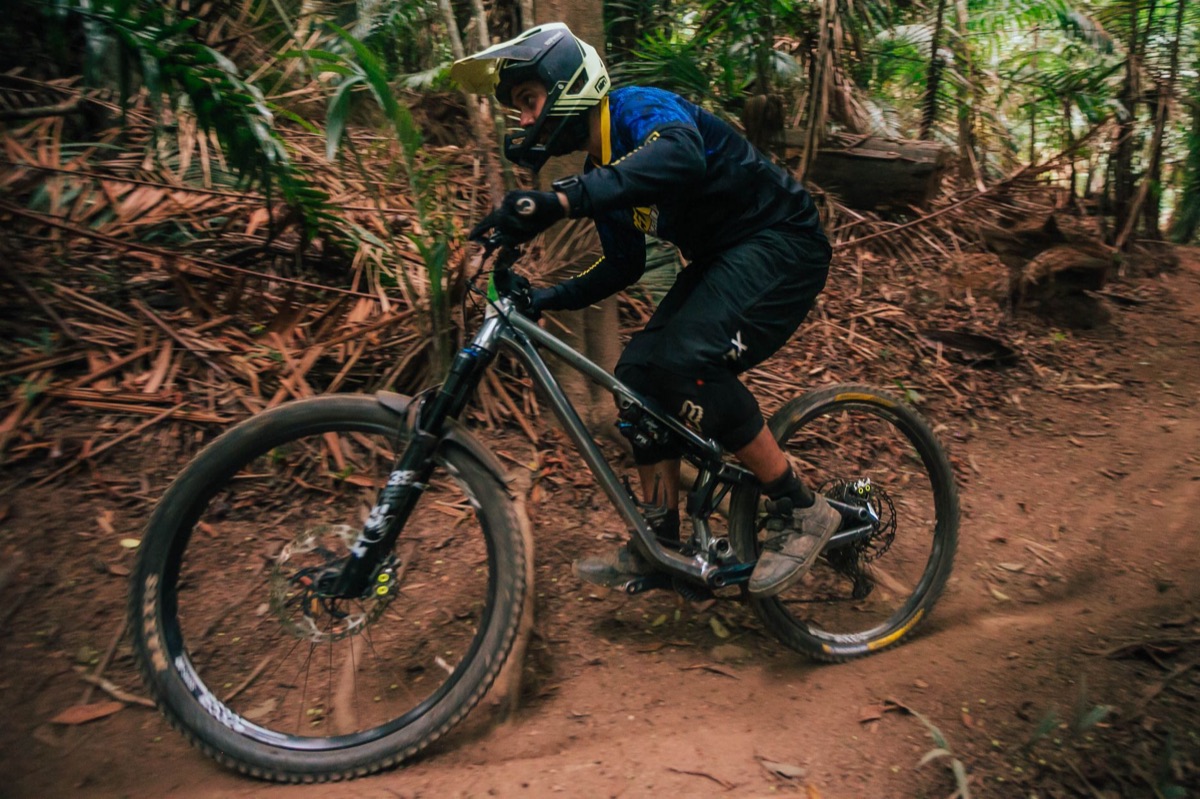
If you’ve ever built a gaming PC, you probably used PCPartPicker. Pick a case, pick a motherboard, and every list after that only shows parts that actually fit. It saves you from buying a CPU your board can’t seat, RAM your board won’t clock, or a cooler that won’t clear the case. Nice tool. Half of PC Twitter grew up on it.
The question that's been sitting in a lot of Reddit threads for years: is there a PCPartPicker for mountain bikes? Short answer, yes. That’s literally what BuildMTB is. Long answer, the MTB side is messier than PCs in a bunch of interesting ways, so it took a while for anyone to build one that actually works. Here's the honest version of what's the same, what's different, and what you can do with it today.
what pcpartpicker actually does, in one sentence
PCPartPicker is a parts catalog plus a compatibility engine plus price tracking. You pick a component, it filters every downstream list to what fits, it pulls live prices from a bunch of retailers, and it saves the whole build so you can share it, edit it, or come back later. Three things stitched together. That's the whole magic.
so is there a pcpartpicker for mountain bikes?
Yeah. It's BuildMTB, and you're on it. The core loop is the same one PC builders already know: open the Builder, pick a frame, and start adding parts. Every list you open next, forks, wheels, drivetrain, dropper, is already filtered to what fits your frame and the choices you've already locked in. Prices come from real retailers (Jenson USA, Competitive Cyclist, Backcountry). Builds save to your Garage.
what's the same as pcpartpicker
If you already know how PCPartPicker feels, most of it will feel familiar.
- ›Component-first shopping. Same flow. Add a frame, add a fork, add wheels. Each pick constrains the next.
- ›A real compatibility engine. Not just a checklist in a blog post. The Builder checks axle spacing, headtube standard, bottom bracket shell, freehub driver, shock size, seatpost diameter, and a stack more against every part you add.
- ›Multi-retailer pricing. Live prices from real retailers, updated daily, so you can compare instead of tab-hopping.
- ›Saveable builds. Your builds live in your Garage, you can share them, revisit them, or edit them into a new one later.
what's different (and why mtb is harder)
Now the honest part. Bikes aren't PCs, and pretending they are is how you build a picker that misses the point. A few real gaps.
PC parts snap together on a small handful of sockets. A motherboard has one CPU socket, one RAM type, a couple of expansion slots, and life is easy. A mountain bike frame has to agree with a fork on wheel size, travel, steerer, and axle. It has to agree with wheels on hub spacing and freehub driver. It has to agree with the drivetrain on speed count and hanger. It has to agree with the cockpit on seatpost diameter and bar clamp. Way more specs, way more that has to line up.
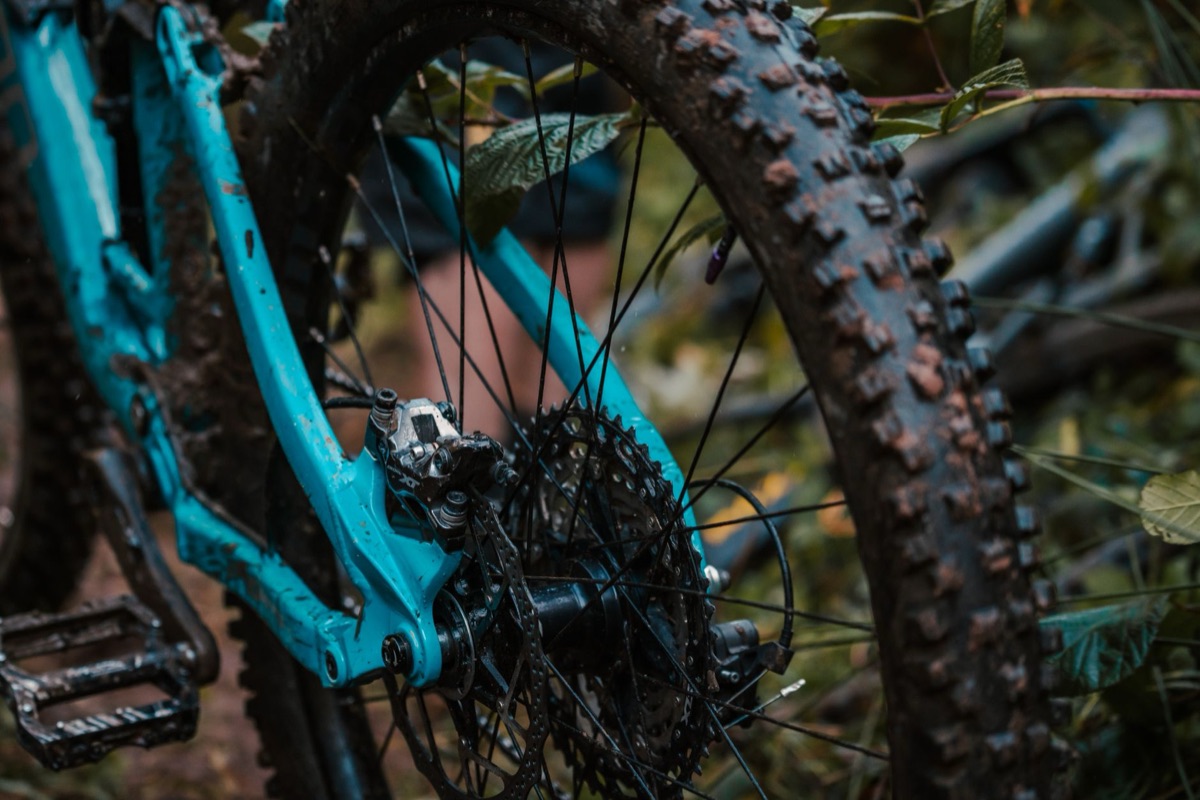
Bikes have a geometry layer PCs don't. Two frames with identical standards can ride completely differently, because the angles and lengths (head angle, reach, seat tube angle, chainstay) decide the feel. A PC case is a case. A frame is a fingerprint. That's the reason the Builder starts by asking about discipline: XC, trail, enduro, DH. Fit isn't the whole story on a bike; the frame has to want to ride the way you ride.
Standards on the MTB side move faster. PCs pick up a new socket every few years and it's a headline. Mountain bikes cycle through boost, super boost, UDH hangers, tapered vs straight steerers, 15 vs 16 fork bolts, Microspline vs XD drivers, PF92 vs T47 bottom brackets, and a dozen more. Half of them look interchangeable and aren't. A part picker for bikes has to bake in every one of those quiet incompatibilities or it's worse than useless, it's confidently wrong.
MTB parts have a used market that PC builders would kill for. A lot of great mountain bike builds are half new, half secondhand Pinkbike BuySell finds. The catalog has to keep up with that reality, not just brand-new SKUs sitting on retailer shelves.
the honest challenges of building this thing
For anyone curious how the sausage is made, or comparing tools before they commit to one, here's where the sharp edges are.
- ›Catalog coverage takes time. There is no single MTB parts database the way there is for PC hardware. Every frame, fork, shock, wheelset, and groupset gets ingested with real specs, standards, weights, and photos. That's slow work and it's ongoing.
- ›Prices move fast. Retailer prices and stock change constantly, and one part might be a great deal at Jenson this week and sold out the next. The picker pulls fresh numbers daily so what you see is what it costs today.
- ›Some compatibility is soft. A 160mm fork on a frame rated to 150mm fits and works, but changes the geometry. That's a “warn, don't block” situation, not a hard fail. The Builder flags calls like that with a note instead of pretending it's the same as a real mismatch.
- ›Feel isn't a spec. Whether a build is actually right for you, right damper, right travel, right geometry for your trails, isn't something a compatibility engine can answer on its own. That's what the Ride Audit is for. It's an optional add-on where a real bike shop pro looks over your spec before you order, confirms the parts fit and suit how you ride, and flags anything you'd regret two rides in. The picker handles the fitment math; the Audit puts a human on it.
what you can actually do with it right now
Concretely, here's what a session on BuildMTB looks like today.
- 1Open the Builder and pick your discipline. That filters the frames to ones that fit how you ride.
- 2Pick a frame. Every list after that (fork, shock, wheels, drivetrain, brakes, cockpit) is narrowed to what actually bolts on.
- 3Add parts. Live retailer prices show up next to each pick, plus the total build cost as it grows. Swap parts freely, the compatibility re-checks in real time.
- 4Save the build to your Garage. Share it with a shop or a friend, or send it to a local shop for the actual wrenching.
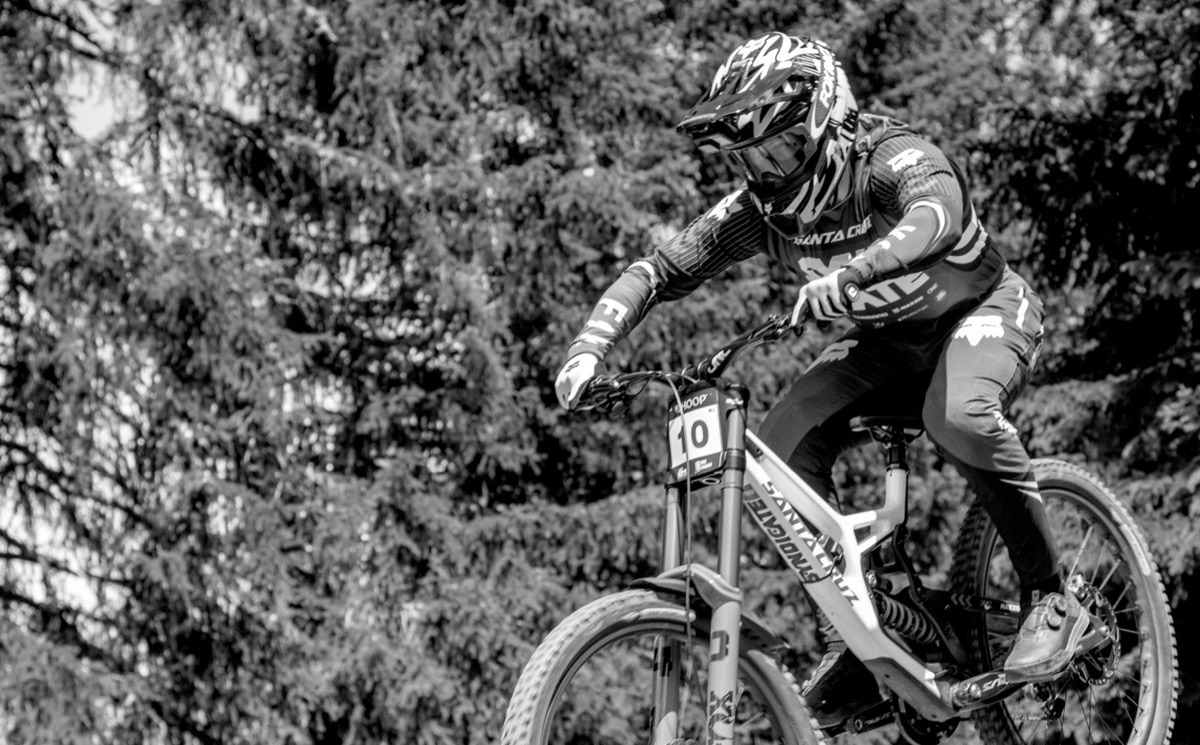
the stuff pcpartpicker doesn't have
The compatibility engine is the reason most people show up, but a couple of other things live alongside it that don't really have a PC-side equivalent, because PCs don't change ride to ride.
- ›The Garage. Your saved builds live here, but so does everything downstream of them. Log your suspension setup ride to ride, track sag and pressures as they drift, note what worked and what didn't on last weekend's trail.
- ›The VHS Vault. A curated stash of MTB videos worth watching. Stuff that'll make you want to go ride, or spec the next build.
who it's for
A few honest use cases.
- ›Frame-up builders. You bought a bare frame and want to make sure every part you buy from here bolts on. This is the whole point.
- ›Upgraders. You want to swap a fork, wheels, or a drivetrain and don't want to eat a return fee. Enter your bike, swap in a new part, see if it fits.
- ›Comparison shoppers. You know what you want, you just want the best live price across a few real retailers.
- ›Dreamers. Same as the PC crowd. Building the bike you'd get if you had the budget is half the fun. Save it to your Garage and come back when the tax return hits.
The one-line answer to the search that brought you here: yes, this is the PCPartPicker for mountain bikes. The compatibility engine lives at /build, and the fastest way to see if it clicks for you is to open it and spec something.
spec a build, watch it fit
Pick a frame, add parts, and the Builder narrows every list to what actually bolts on. It's the piece PC builders take for granted, finally pointed at bikes.
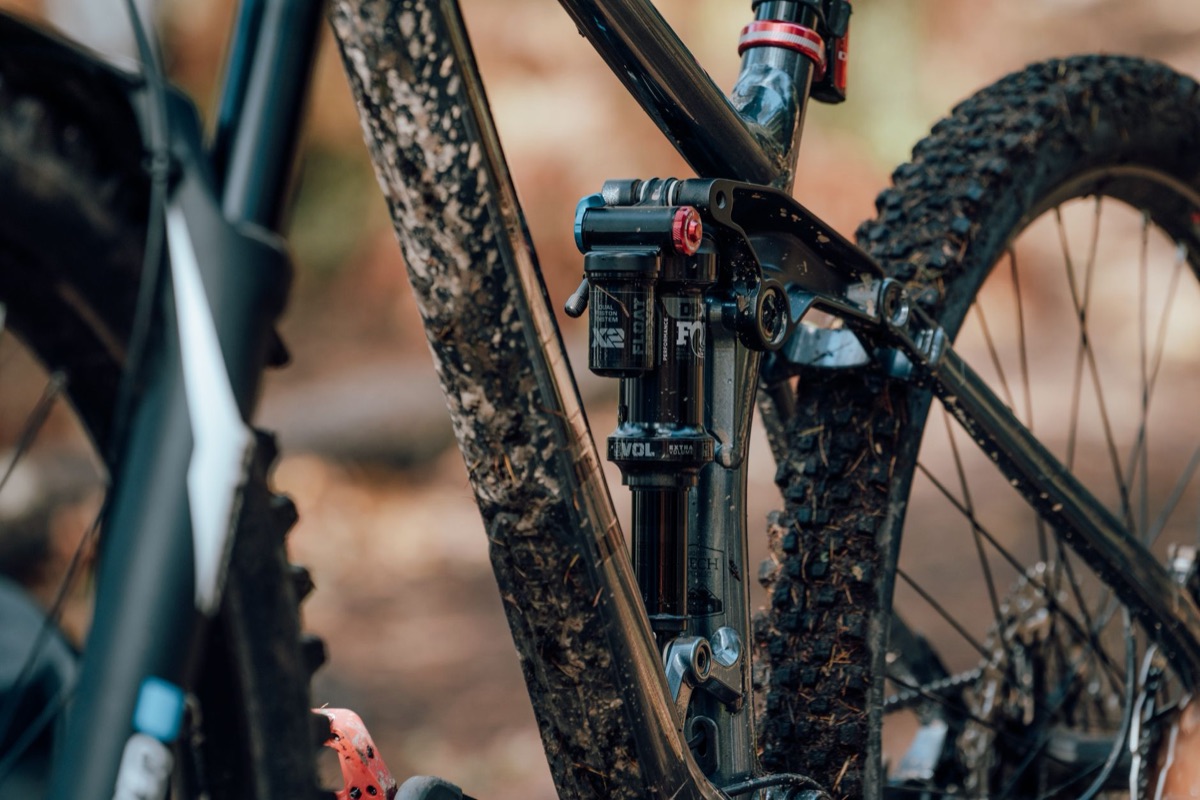 filed under · suspension setup
How to Set Sag on a Mountain Bike (Front + Rear, by Discipline)
 filed under · compatibility
How to Build a Mountain Bike From Parts (And the Compatibility Traps)
 filed under · disciplines & bike types
Hardtail vs Full Suspension: Which Mountain Bike Should You Actually Buy?
 filed under · suspension setup
Coil vs Air Shock: Which One Belongs on Your Bike?