Are Dropper Posts Universal? Diameter, Travel, and What Actually Fits
No, they are not. A dropper has to match three things on your bike: the seat tube diameter, how deep the post can slide in, and how the cable gets to the lever. Here is how to check all three with a tape measure.
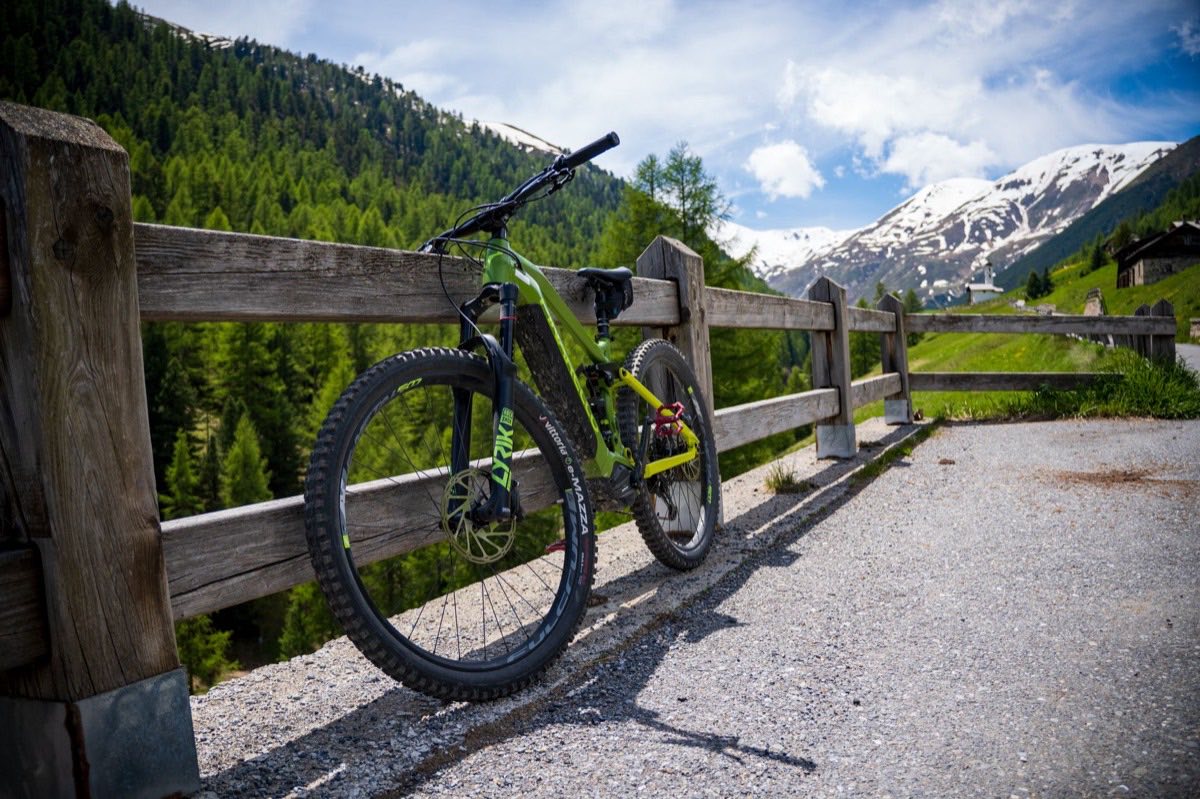
A dropper post is a seatpost that moves. You hit a lever on the handlebar, put your weight on the saddle, and it sinks out of the way. Lift your weight off and it springs back to your pedaling height. That's it. It gets the saddle out of your hips on descents without you stopping to loosen a clamp.
They are not universal. A dropper is a part that lives inside your frame, so the frame has opinions about it. Three things have to match, and all three are checkable in about ten minutes with a tape measure.
the three things that have to match
- ›Diameter. How fat the post is. It has to be the exact size your seat tube (the tube your saddle sticks out of) is bored for.
- ›Length and travel. How long the whole post is versus how much room your frame has to swallow it.
- ›Routing. Whether the cable runs inside your frame or along the outside, and which lever it talks to.
Get those three right and any brand works. Brand loyalty has nothing to do with it. A OneUp post is happy on a Trek, a PNW post is happy on a Specialized.
seatpost diameter: the one that has to be exact
Mountain bike seat tubes come in four common sizes: 30.9mm, 31.6mm, 34.9mm, and the older, skinnier 27.2mm. 30.9 and 31.6 cover most modern trail and enduro bikes. Those two are only 0.7mm apart, which is about the thickness of a couple of business cards, and that's exactly why people get it wrong.
Three ways to find yours, best first:
- ›Read the post you already have. Nearly every seatpost has its diameter printed or laser-etched on the shaft, usually near the bottom, sometimes right at the minimum-insertion line. Pull the post out and look.
- ›Look up the frame. The manufacturer's spec sheet lists “seatpost diameter.” So does the Builder, on every frame card.
- ›Measure it. Calipers across the round part of the post that slides into the frame, not the head. A tape measure is not accurate enough here. A 0.7mm miss is a post that won't go in, or one that slips and chews up your frame.
You can go down a size with a shim, a thin sleeve that takes up the gap: a 30.9mm post plus a 30.9-to-31.6 shim lives happily in a 31.6mm frame. Plenty of people run that setup, and it opens up more posts to choose from. You cannot go up. A 31.6mm post will not enter a 30.9mm seat tube, and no amount of persuasion changes that.
One note on 27.2mm: it's mostly older frames and gravel bikes, the choice of posts is thin, and the travel on offer is usually 100 to 125mm. If your frame is 27.2, set expectations before you shop.
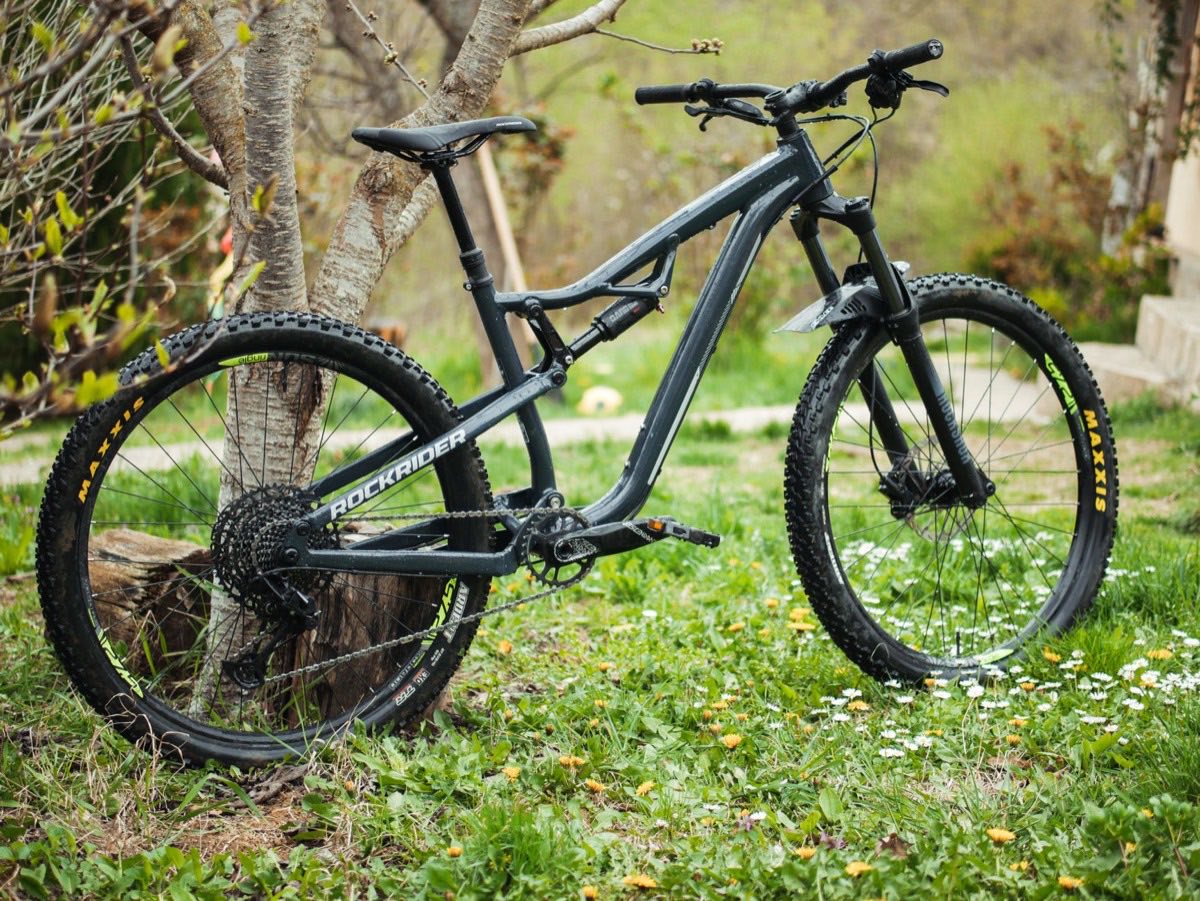
how much dropper travel can i fit?
Travel is how far the saddle drops when you hit the lever. Common numbers are 100, 125, 150, 170, and 200mm, with a few posts going longer. More travel means the saddle gets further out of your way on steep stuff, so most riders want the longest post their frame will take.
What stops you is space. A dropper is one solid piece, and the part that isn't showing has to fit inside your seat tube. Seat tubes run out of room for real reasons: many full-suspension frames bend the tube around the shock, a suspension pivot can cut across it, and water bottle bolts sometimes poke through into the tube.
Two measurements settle it. Grab a tape measure and a zip tie.
- ›Room inside the frame. Pull your seatpost out, feed a zip tie or a tape down the seat tube until it stops, and mark it at the top of the collar. That length is what the frame can swallow. Call it 250mm.
- ›Post showing. Put your current post back at your normal pedaling height and measure from the top of the collar up to the saddle rails (the two metal rods the saddle bolts onto). Call it 230mm.
Add them: 250 + 230 = 480mm. That is the longest total length of post your bike can take, and total length is a number every dropper brand publishes. A post listed at 465mm fits. A post listed at 510mm does not, no matter how much you want that travel. Buy the longest travel whose total length comes in under your number.
One more thing to know going in: a dropper cannot be cut down like a plain alloy post. There's a cartridge inside. A few brands ship little travel-reduction shims that shorten the drop by 10 or 20mm, which is useful when you're between sizes, but the post itself stays the length it came.
does my frame take an internal dropper?
Internal routing means the cable runs inside the frame. Look at the base of your seat tube and at the head tube end of the down tube: if you see small ports or grommets with cables disappearing into the frame, you're internal. Nearly every full-suspension bike built in the last decade is. External routing means cables are clipped or zip tied along the outside of the tubes, which you'll mostly find on older frames and budget hardtails.
This matters because the two aren't interchangeable. An internally routed dropper takes its cable in at the bottom of the post, below the collar, so it needs a hole in your frame to get there. Almost every dropper sold today is internal. If your frame is external only, you're shopping a much smaller pool of externally routed posts, and it's worth checking whether the frame can be drilled or whether you'd rather live without one.
There's also a third option: wireless. SRAM's AXS Reverb has no cable at all. Battery on the post, battery in the lever, done. It sidesteps the whole routing question and costs a lot more, and now you have two more things to charge.
the lever and the saddle, the parts people forget
The lever (also called the remote) usually comes with the post. If you buy them separately, check which end the cable head anchors at: some systems clamp the bare cable at the post and seat the head in the lever, others do the reverse. Get it backward and neither end will hold. Same-brand lever and post is the no-thinking option.
On a 1x drivetrain the lever goes under the left side of the bar, where a front shifter used to live, and your thumb finds it without looking. If you still run a front derailleur, bar space gets crowded fast and that's worth solving before you buy.
Saddles bolt onto dropper heads the same way they bolt onto any post, with one catch. Standard rails are 7mm round, and every dropper head takes those. Some carbon saddles use oval 7x9mm rails and need matching clamp hardware, which not every head offers. Check the head if your saddle is a carbon one.
what people get wrong
- ›Measuring the collar instead of the post. The collar reads a few millimeters big, which sends you to the wrong size entirely.
- ›Shopping travel first, length never. The 200mm post arrives, hits the bend in the seat tube, and your saddle ends up sitting too high to pedal.
- ›Ignoring the minimum insertion line. That mark near the bottom of the post has to sit below the collar. If it peeks out, the post is too short for you and the frame is taking load it wasn't designed for.
- ›Assuming any lever runs any post. Mostly true, until the cable anchors at the wrong end.
- ›Trying to shim upward. Shims fill a gap. They cannot make a seat tube bigger.
a worked example, start to finish
Say you've got a medium alloy trail bike. The post that came out reads 31.6 on the shaft. The zip tie goes 245mm down the seat tube before it stops on the shock mount. At your pedaling height there is 210mm of post showing above the collar. So 245 + 210 = 455mm of total length available, and the frame is 31.6mm internal routing.
Now the shopping is simple. You need a 31.6mm internally routed post with a total length at or under 455mm. That usually lands you around 150mm of travel, maybe 170 if the brand builds a short one. A 200mm post is off the table on this bike, and knowing that before you order is the whole point.
The Builder does this check against your frame automatically: it matches the diameter, holds travel to what the frame allows, and flags a post that needs more insertion than your seat tube has. Measuring your own bike once is still worth it, because those numbers are yours and they don't change.
Diameter, travel, insertion. Checked against your frame.
Pick your frame in the Builder and the dropper list filters to the diameter it takes, caps travel at what the frame allows, and flags posts that are too long to insert. Measuring your own bike once is still worth doing. After that it happens for you.
 filed under · build roadmap
Is There a PCPartPicker for Mountain Bikes? (Yes, and Here’s How It Works)
 filed under · suspension setup
How to Set Sag on a Mountain Bike (Front + Rear, by Discipline)
 filed under · build roadmap
What Order to Choose Parts for a Custom MTB Build (Frame First, and Why)
 filed under · disciplines & bike types
Hardtail vs Full Suspension: Which Mountain Bike Should You Actually Buy?